The Architecture of Alpine Solitude
How timber shelters in western Norway create an unhurried, reciprocal relationship with subarctic climate and silence.
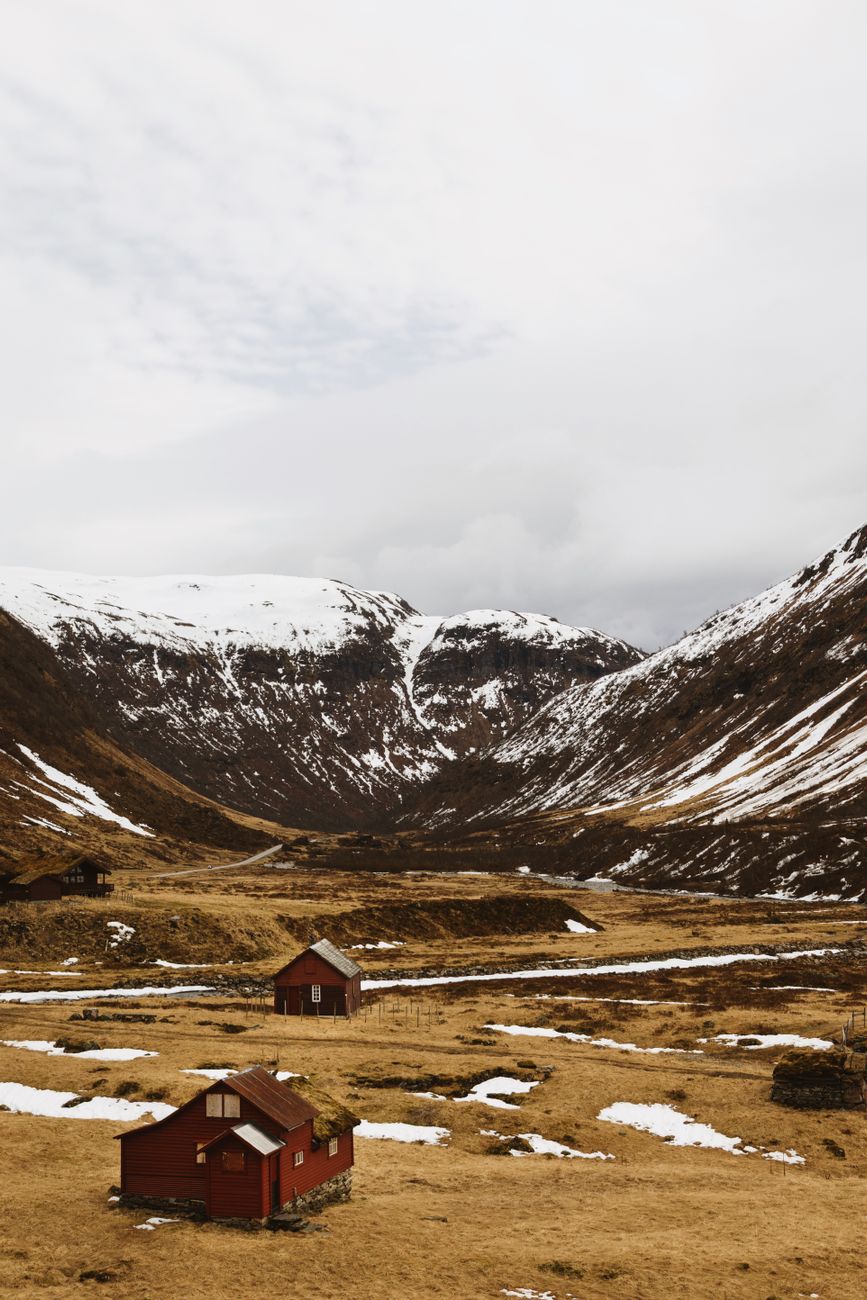
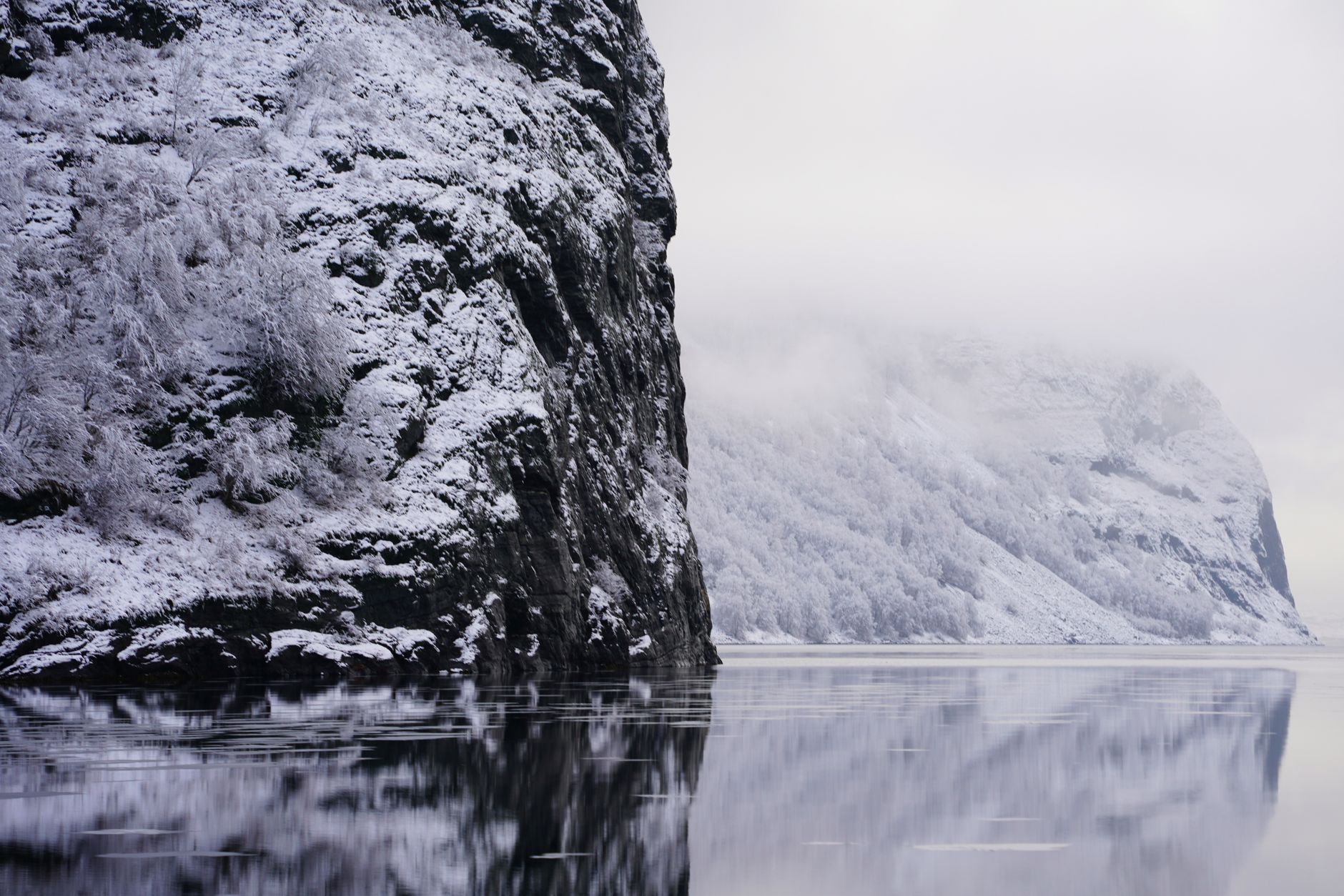
There is a distinct sound to an empty fjord when the autumn frost turns the birch leaves to copper: it is the complete absence of human velocity.
Perched three hundred meters above the icy fjord waters of western Norway, modern vernacular shelters are redefining what shelter means in extreme environments. Rather than sealing off the surrounding grandeur with impenetrable sheets of glass and steel, these buildings invite the elements into their composition. The aroma of untreated pine heartwood breathes in harmony with damp maritime moss.
The Philosophy of Friluftsliv
In Scandinavian lore, the concept of friluftsliv — open-air living — is not an athletic pursuit or an endurance race. It is a contemplative discipline. When darkness settles over the mountain passes by three in the afternoon, the voyager is encouraged to step back into the shelter, stoke the cast-iron stove, and listen to the chimney draft singing in rhythm with the gale.
“A building should not conquer the mountain; it must stand as a modest pupil to the mountain's severe curriculum.”
Architects working in this corridor utilize charred exterior cedar cladding that resists rain and rot without synthetic sealants. Inside, birch plywood surfaces retain ambient heat, glowing warmly under the gentle flicker of paraffin lamps. No television screens or loud mechanical ventilation disturb the air.
Practical Solitude: How to Visit
Access to these remote shelters is deliberately constrained. Visitors must hike four miles up ancient goat tracks, carrying their own organic provisions. Waste is sorted and packed out with zero residue. The result is an intimacy with nature that cannot be bought in conventional five-star hotels.
For those looking to experience this corridor, we recommend visiting during late October when the summer hikers have vanished, leaving the granite ridges to the wind, the sea eagles, and the solitary traveler.