Rituals of Stone and Steamed Tea
Reflections on Kyoto's hidden rock courtyards, monastic tea pavilions, and the sacred cadence of seasonal gastronomy.
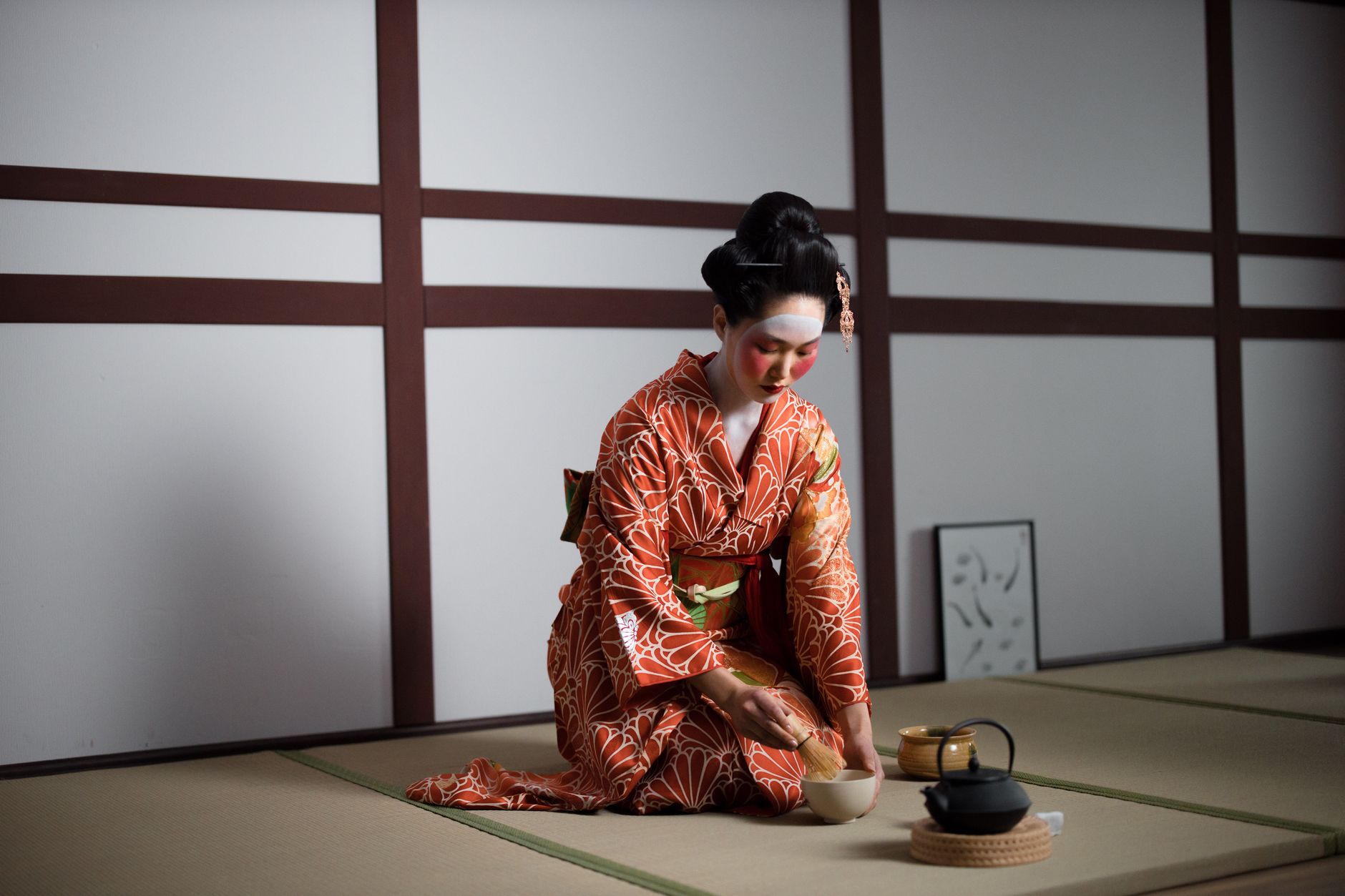
Before the water reaches a boil, there is a murmur called matsukaze — the wind in the pines. It is the first lesson in listening to Japanese tea.
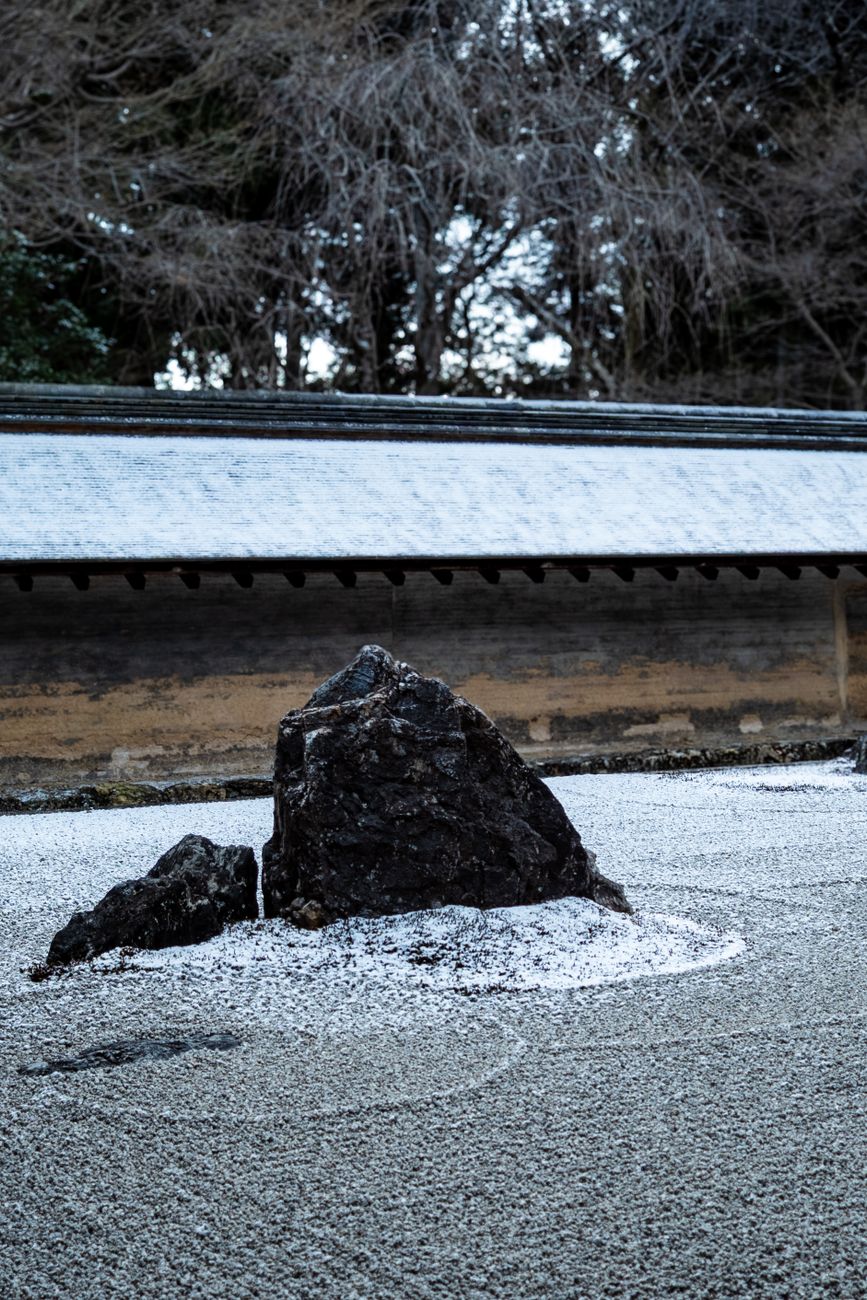
In northern Kyoto, far beyond the crowded souvenir stalls of the southern temple districts, there lies a network of sub-temples where silence is nurtured like an endangered species. Here, raked white granite gravel represents the boundless expanse of ocean waves, while uncarved volcanic rocks represent ancient mountains rising through the mist.
The Discipline of Kaiseki
In a small traditional Machiya along the Kamogawa river, master chef Etsuo prepared an eleven-course winter meal. Not a single ingredient had traveled further than thirty miles. Pickled seasonal daikon, simmered wild lotus root, and charred sweetfish arrived on unglazed Bizen earthenware.
Each plate is a tribute to the fleeting nature of life (mono no aware). To taste food in this context is to acknowledge that this particular bowl of steamed dashi broth, shared in this exact company, will never happen again under the same constellation.
“When you sit upon tatami, the world outside does not vanish; it simply finds its rightful, unhurried proportion.”
Walking the Cedar Corridors
Late afternoons in Kitayama are best spent wandering beneath the straight, towering cedar trees that have supplied Japan's imperial carpenters for eight centuries. The ground is cushioned with emerald moss so thick that even heavy hiking boots make no sound.
Travelers who seek Kyoto's soul must learn to wake at 5:00 AM, attending the morning sutras when monk chants vibrate through the temple floorboards. It is a reminder that the most memorable travel souvenirs are not tangible objects, but internal stillness.